Why your Google score is lagging behind
A website that technically "works" is not the same as a website that ranks well on Google. Five concrete causes you can check and fix.
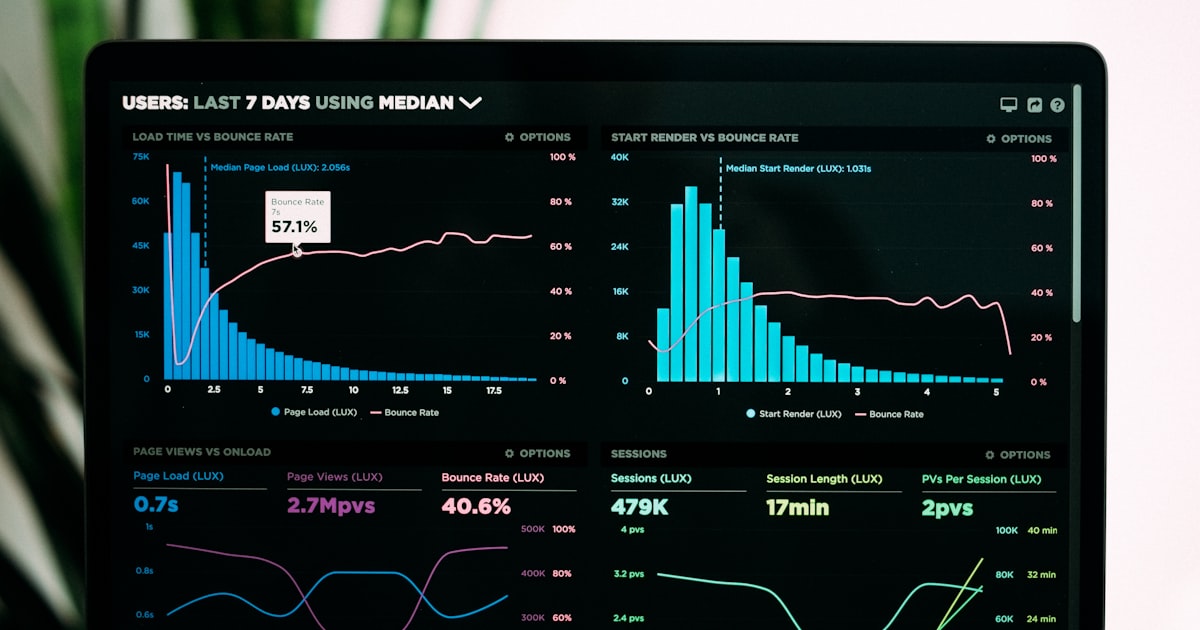
Your website is online, people can visit it, and yet you don’t appear on the first page of Google. What’s going wrong? Usually it’s a combination of five recognisable problems.
1. No page title, or a bad one
The title tag is the most direct signal you give Google: what is this page about? Many websites have a generic title like “Home” or just the company name with no context. Google shows that title in search results. If it doesn’t invite a click, you won’t get far anyway.
2. No meta description
Google itself says meta descriptions are not a direct ranking factor, but they do influence click-through rate. A clear, relevant description attracts visitors. Without one, Google picks text from your page itself, and that’s rarely what you’d want to show.
3. Missing or duplicate H1
The H1 is the main heading of your page. Search engines use it to understand the topic hierarchy. Without it, Google has to guess. With multiple H1s, the signal is confusing. One clear H1 per page is the baseline.
4. No sitemap or robots.txt
A sitemap tells Google which pages exist and how they relate. Robots.txt tells Google what it may and may not index. Without both, Google has to figure your site out on its own. That’s slower and less reliable.
5. Load speed and Core Web Vitals
Since 2021, Core Web Vitals are an official ranking factor. Load time, visual stability and responsiveness count towards how high you rank. A slow site or one that shifts elements around during loading gets penalised.
What you can do
Scan your website for free at sitescore.wooning.cz. In thirty seconds you see your score on all these points, without an account. The scan shows exactly where your site has room to improve and what the priority is.